All G20 finance chiefs except China support action against non-market policies as concerns grow over export surpluses and critical-mineral curbs
Financial leaders from all G20 nations except China have backed action against non-market policies and trade distortions that create an over-reliance on exports.
The G20 chair's statement specifically targets countries with excessive and persistent external surpluses, urging them to remove policies that restrict domestic consumption.
China was the sole member to decline support for the section of the statement addressing its export-driven economic model and resulting trade imbalances.
Discussions highlighted concerns over China's increasing exports of subsidized goods like electric vehicles and its export restrictions on critical minerals.
The United States has secured support from every G20 financial leader except China for action against non-market policies and trade distortions that encourage excessive reliance on exports and constrain growth elsewhere.
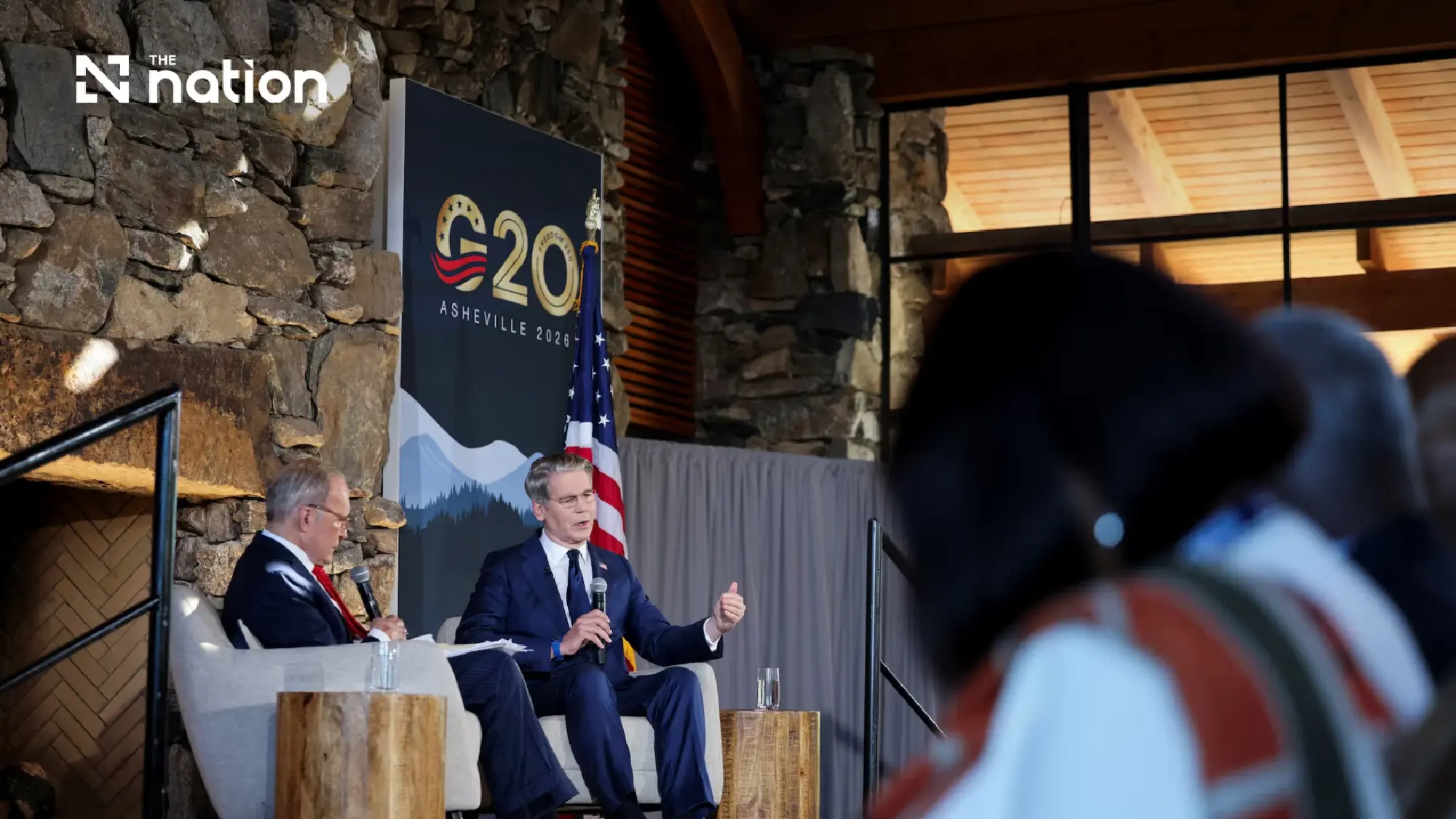
Finance ministers and central bank governors reached the position during a two-day meeting in Asheville, North Carolina, which concluded on Tuesday (September 1, 2026).
The G20 chair’s statement said countries with excessive and persistent external surpluses should remove policies that restrict domestic consumption and leave their economies overly dependent on exports. China declined to support that section of the statement.
US Treasury Secretary Scott Bessent said higher American tariffs had caused Chinese products to be redirected towards other trading partners, as Washington had previously warned.
He argued that a continuous flow of cheap exports from non-market economies was unsustainable, pointing to support from the other 19 G20 members as evidence of the scale of the concern.
China has continued expanding exports of electric vehicles, semiconductors and other manufactured products amid weak domestic demand. Its exports increased by 23.9% year on year in July.
China’s goods trade surplus with the European Union reached €360.6 billion in 2025, up 15% from the previous year, intensifying European calls for stronger protection against heavily subsidised imports.
European Economy Commissioner Valdis Dombrovskis described China as a major source of economic imbalances but said the United States and Europe also had roles to play in correcting them.
International Monetary Fund managing director Kristalina Georgieva said Beijing appeared to recognise the need for action but wanted a coordinated response. This would include measures by the United States to reduce fiscal deficits that contribute to excessive import demand.
China’s restrictions on exports of rare earths and other critical minerals also entered the G20 discussions.
Beijing introduced rare-earth export controls in April 2025 in response to US tariffs, affecting businesses outside the United States as well as American companies.
Japanese Finance Minister Satsuki Katayama told G20 counterparts that arbitrary restrictions on critical-mineral exports were damaging the global economy.
The concluding statement urged countries to avoid unnecessary export restrictions to keep international supply chains operating normally.
Political disputes and bond sell-off shadow talks
European countries and Canada criticised the decision by the US hosts to invite Russia, which attended a G20 finance meeting for the first time since its invasion of Ukraine in 2022.
German Finance Minister Lars Klingbeil also argued that the Iran war and continuing US tariff disputes were contributing to uncertainty and weakening confidence in the global economy.
Britain, meanwhile, said it would maintain a pragmatic trade relationship with China while seeking to address economic imbalances. Canada said its engagement with Beijing would continue with clear safeguards.
The meeting coincided with a deepening sell-off in global bond markets, driven by concerns over inflation, rising debt and possible monetary tightening.
Japan’s 10-year government bond yield reached 3% for the first time since 1996. Bessent called for monetary policy that would anchor inflation expectations and limit excessive currency volatility, adding to expectations of a possible Bank of Japan rate increase at its September 17-18 meeting.