
US-backed NABEP set to take over Venezuelan oilfields previously run by Chinese and Russian firms
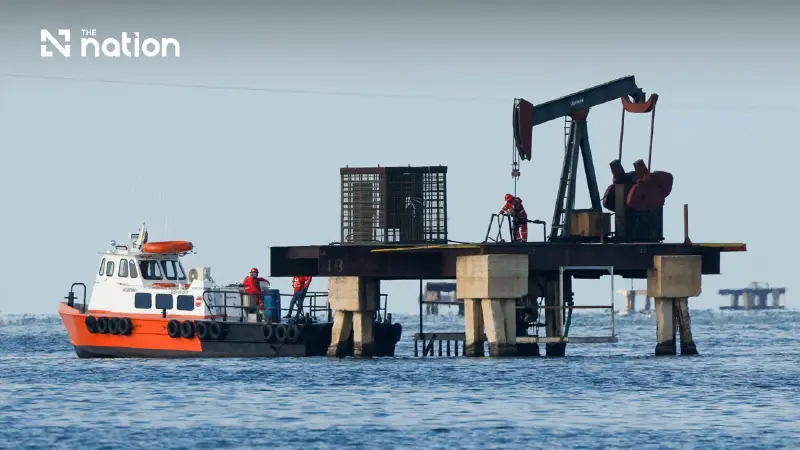


NABEP is set to control 17 Venezuelan oil projects, including fields previously operated by five Chinese companies and one Russian group
- A US-backed firm, North American Blue Energy Partners (NABEP), is taking over Venezuelan oilfields as part of a new agreement between the US and Venezuela.
- The fields were previously controlled by five Chinese companies and one Russian firm, whose roles in Venezuela's oil industry are being reduced.
- NABEP has been granted 14 new contracts, bringing its total to 17 projects, with the goal of developing them to supply crude oil to the United States.
- This move is designed to redirect Venezuelan crude oil, previously shipped to China, towards the US market and give American companies a larger position in the industry.
North American Blue Energy Partners (NABEP), a US-backed oil company, is set to take over Venezuelan oilfields previously controlled by five Chinese companies and a Russian firm, according to two US officials.
The transfers form part of the wider oil-production agreement announced by US President Donald Trump and Venezuela.
Fourteen contracts have been newly granted to NABEP by the Venezuelan government, the officials said. The company is expected to control 17 projects in total, which it plans to develop and use to supply crude to the United States.
NABEP was previously owned by US oil tycoon Harry Sargeant and is now controlled by Venezuelan businessman Alejandro Betancourt.
Trump announced last week that the United States had secured access to about 64 billion barrels of Venezuela’s proven reserves through a partnership with private business.
The arrangement would give US companies a larger position in Venezuela’s strategically important oil industry while reducing the role of Chinese and Russian operators.
Chinese and Russian operators lose fields
Five of the 14 newly awarded fields had been operated by Chinese companies under a model promoted by former Venezuelan president Nicolas Maduro, the two US officials said. One had been operated by a Russian company.
China Concord Resources operated two of the projects. The company was sanctioned by Washington in 2019 over activity linked to Iran.
Sinopec operated another project, while China National Petroleum Corporation controlled a separate field, according to the officials.
One official said the arrangement would create opportunities for the US government and American operators while redirecting Venezuelan crude previously shipped to China towards the US market.
“We are opening up the United States as the market for this oil,” the official said.
Two other projects had been operated by companies affiliated with Alex Saab, a former close associate of Maduro who is being held in US custody, the officials said.
Another field was linked to a nephew of Cilia Flores, Maduro’s wife.
The assertions concerning the ownership and operation of the fields were based on accounts from the two US officials.
Projects to supply US refineries
NABEP plans to develop the 17 projects and direct their production towards the United States.
Trump said on Monday (August 31, 2026) that the US was taking out “millions and millions of barrels of oil”, with shipments going to refineries in Texas, Louisiana and other locations.
The president was scheduled to meet oil and gas retailers and refining companies on Tuesday.
The agreement gives Washington a direct role in determining which companies produce Venezuelan oil and where that crude is sold.
Talks seek legal basis for oil restructuring
Venezuela’s interim authorities are holding discussions with representatives of the country’s 2015 National Assembly as they seek to address constitutional and legal questions surrounding the transition, the US officials said.
The Trump administration regards the assembly as the last Venezuelan legislature elected and operating under the country’s constitution. However, it currently holds no formal governing authority.
An agreement with the assembly could provide a constitutional and legal foundation for the wider transition, including decisions covering the revival and restructuring of Venezuela’s oil industry, one official said.
