
Iran prepares offer as Trump extends ceasefire and pushes for ‘best deal’
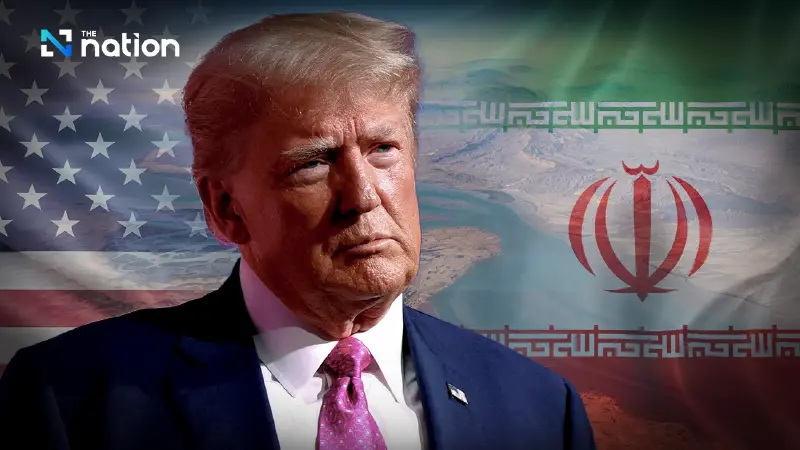


Iran signals a proposal to meet US demands as Trump extends Israel-Lebanon ceasefire and ramps up pressure for a lasting deal
Iran is preparing to present a proposal aimed at meeting US demands, as diplomatic efforts intensify alongside a fragile ceasefire in the Middle East conflict.
US President Donald Trump said Tehran is expected to make an offer that could satisfy Washington’s key conditions, including curbs on its nuclear programme and ensuring the free flow of oil through the Strait of Hormuz.
Talks are set to resume in Islamabad, with US envoys and Iranian Foreign Minister Abbas Araghchi expected to take part, although Washington has acknowledged uncertainty over the exact content of Iran’s proposal and the cohesion of its leadership.
At the same time, Trump has moved to extend a ceasefire between Israel and Lebanon by three weeks, part of a broader push to stabilise the region while negotiations with Iran continue.
The ceasefire, brokered at the White House, comes despite ongoing tensions along the Israel-Lebanon border and scepticism from Hezbollah, which has dismissed the truce as ineffective amid continued Israeli military activity.
The conflict, now in its eighth week, has had a severe impact on global markets and energy supplies, with disruptions in the Strait of Hormuz driving oil prices sharply higher.
Trump has said he is willing to wait for what he described as the “best deal” with Iran, signalling he is not in a rush to conclude negotiations but is seeking a lasting settlement to the conflict.
Despite the diplomatic push, the United States is maintaining a naval blockade on Iranian ports, increasing pressure on Tehran as talks move forward.
Regional mediation efforts are also expanding, with Pakistan and Qatar playing key roles in facilitating dialogue, while Iran continues diplomatic outreach to countries including Oman and Russia.
The outcome of the negotiations is expected to be critical not only for US-Iran relations but also for broader regional stability, including the fragile ceasefire between Israel and Lebanon.
